
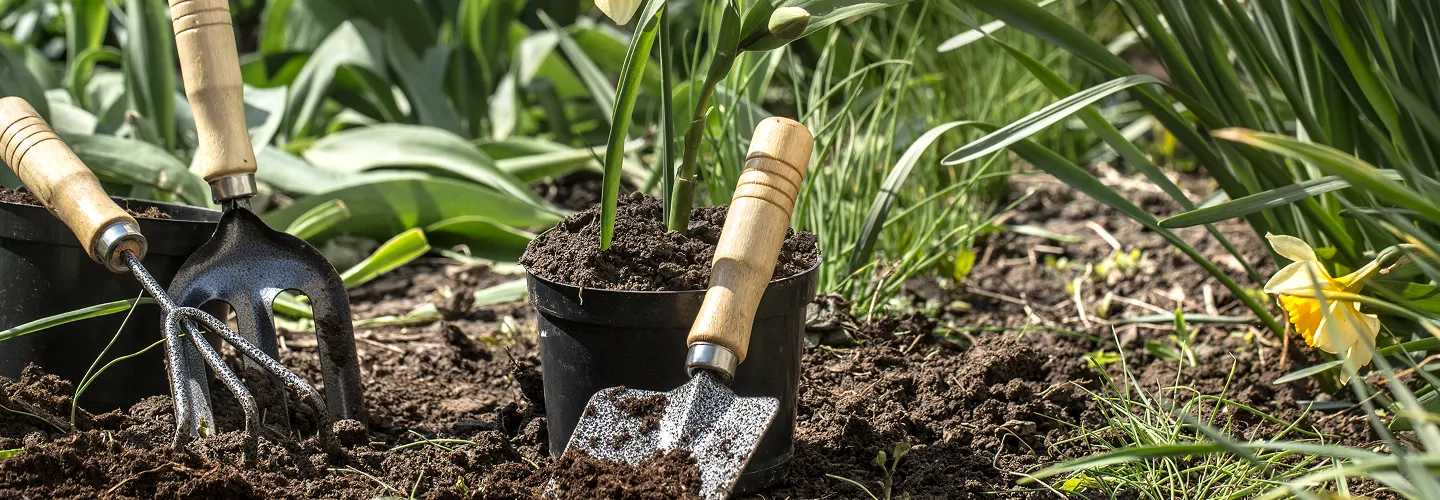
Middletown Fertilizing Lawn Services
Choose our fertilizing lawn services for expert care that delivers lush, green results—ensuring your yard stays healthy, vibrant, and weed-free all season long.
Get a Free QuoteOur Middletown Landscaping & Yard Care Services
When to Schedule Fertilizing Lawn in Middletown, Rhode Island – Seasonal Guide
Fertilizing your lawn in Middletown, Rhode Island, requires careful timing to ensure lush, healthy grass throughout the year. The best periods for fertilization are typically early spring and early fall, when soil temperatures are optimal for nutrient uptake and grass growth. In neighborhoods like Easton's Point and near Sachuest Beach, the proximity to the coast means lawns often experience higher humidity and salt exposure, which can influence the type and timing of fertilizer applications.
Local factors such as Middletown’s average last frost date in late April and the risk of summer droughts should guide your fertilizing schedule. Lawns in shaded areas, such as those near Paradise Valley Park, may require different nutrient blends compared to sunnier, open spaces. Additionally, soil types in the area can vary from sandy near the beaches to richer loam inland, affecting how nutrients are absorbed. For more information on local environmental guidelines, visit the Sudbury municipal resource.
Local Factors to Consider for Fertilizing Lawn in Middletown
- Tree density and shade coverage
- Soil type (sandy, loamy, or clay)
- Proximity to the coast and salt exposure
- Average precipitation and drought risk
- Terrain and drainage patterns
- Municipal restrictions on fertilizer use
- Timing of last frost and first freeze
Benefits of Fertilizing Lawn in Middletown

Healthier, Greener Lawns
Improved Weed Resistance
Enhanced Soil Nutrients
Stronger Root Development
Increased Lawn Longevity
Professional Landscaping Expertise
Middletown Fertilizing Lawn Types

Cool-Season Grass Fertilization
-
Warm-Season Grass Fertilization
-
Organic Lawn Fertilization
-
Weed and Feed Treatments
-
Starter Fertilizer for New Lawns
-
Slow-Release Fertilizer Applications
-
Seasonal Fertilizer Programs
Our Fertilizing Lawn Process
Soil Analysis
Fertilizer Selection
Application Scheduling
Even Fertilizer Distribution
Post-Application Inspection
Why Choose Middletown Landscape Services
-
Middletown Homeowners Trust Us
-
Expert Lawn Maintenance
-
Reliable Seasonal Cleanup
-
Competitive Pricing
-
Professional Team
-
Satisfaction Guarantee
-
Personalized Service
Middletown’s Glacial Till Soils and Fertilizer Application Best Practices
Middletown’s predominant soils, as identified by the USDA Web Soil Survey, are Inceptisols and Udults formed from glacial till, often characterized by moderate acidity (pH 5.5–6.5) and poor drainage in low-lying areas. These conditions require careful fertilizer management to prevent nutrient runoff and ensure turf health. Soil testing is recommended every 2–3 years, with samples analyzed for pH, organic matter, and nutrient content. The University of Rhode Island Cooperative Extension provides soil testing services (typical cost: $15–25 per sample). For acidic soils, lime application is advised if pH falls below 6.0, while compost incorporation (2–3 inches tilled to 6-inch depth) improves structure and nutrient retention. Core aeration to a depth of 2–3 inches is recommended for compacted areas. Avoid fertilizer application within 50 feet of wetlands or water bodies to comply with local and state environmental regulations.
Seasonal Fertilizer Timing and Weather Considerations in Middletown
Middletown’s coastal climate, classified as USDA Hardiness Zone 6b–7a, features cool, wet springs and mild autumns, which are optimal for fertilizing cool-season grasses such as Kentucky bluegrass (Poa pratensis) and perennial ryegrass (Lolium perenne). Fertilizer should be applied in early May when soil temperatures reach 55°F, and again in early September to support fall root growth. Avoid fertilizing from June through August, as heat stress and summer rainfall increase the risk of nutrient leaching. The National Weather Service – Boston/Norton Office provides local soil temperature and precipitation forecasts to guide application timing. Recommended annual nitrogen rates are 2–3 lbs per 1,000 sq ft, split between spring and fall. Always check for rain-free windows of at least 24 hours post-application to minimize runoff risk.
Municipal Coordination: Fertilizer Use, Yard Waste, and Local Ordinances
Fertilizer application and yard waste management in Middletown are regulated to protect local water resources, including Maidford River and nearby wetlands. The town’s MS4 permit, issued under the Clean Water Act, prohibits fertilizer and grass clippings from entering storm drains. Yard waste collection occurs weekly on Thursdays from April through November. Residents must use biodegradable bags or 32-gallon reusable bins; plastic bags and branches over 4 inches in diameter are not accepted. Equipment operation for lawn care is permitted:
- Monday–Friday: 7:00 AM – 7:00 PM
- Saturday: 8:00 AM – 6:00 PM
- Sunday and holidays: Prohibited
Middletown RI Department of Public Works
350 East Main Road, Middletown, RI 02842
Phone: (401) 846-2119
Official Website: Middletown RI Department of Public Works
Enforcement of these ordinances helps maintain compliance and environmental quality.
Environmental Compliance: Buffer Zones, Wetlands, and State Regulations
Properties adjacent to wetlands, streams, or conservation areas in Middletown must observe a 25-foot no-disturbance buffer, as required by local ordinance and the Rhode Island Environmental Rights Act. Fertilizer application is strictly prohibited within 50 feet of any water body. The Rhode Island Department of Environmental Management enforces MS4 stormwater regulations, which require that no fertilizer, pesticides, or yard waste enter storm drains or surface waters. The Middletown RI Conservation Commission oversees local wetland protection and can provide guidance on buffer requirements and best management practices.
Middletown RI Conservation Commission
350 East Main Road, Middletown, RI 02842
Phone: (401) 849-4027
Official Website: Middletown RI Conservation Commission
Violations may result in fines or remediation orders under state and federal law.
Professional Standards and Safety Protocols for Lawn Fertilization in Middletown
All fertilizer applications in Middletown must adhere to professional safety and equipment standards. Operators are required to use commercial-grade spreaders calibrated for accurate application rates, and all personnel must wear ANSI Z87.1 safety glasses, chemical-resistant gloves, and steel-toed boots. When using powered equipment, hearing protection is mandatory for noise levels above 85 dB. Maintain a 15-foot clearance from overhead utilities and public walkways during application. Fertilizer storage must comply with local fire codes, and spill kits should be available on site. The Middletown RI Fire Department provides guidance on chemical storage and emergency response protocols.
Middletown RI Fire Department
239 Wyatt Road, Middletown, RI 02842
Phone: (401) 846-1031
Official Website: Middletown RI Fire Department
Routine equipment maintenance, including blade sharpening every 20–25 hours and spreader calibration before each use, is required to ensure safe and effective service.
What Neighborhoods Do We Serve Throughout Middletown, RI?
- Easton's Point: Coastal soils here are sandy with rapid drainage, requiring more frequent organic matter amendments and careful fertilizer timing to prevent leaching into nearby Easton’s Bay.
- Maidford: This agricultural corridor features poorly drained glacial till and seasonal high water tables, necessitating core aeration and strict adherence to wetland buffer regulations.
- Indian Avenue: Large lots and mature landscapes are common, with moderate slopes and proximity to Sakonnet River, increasing the importance of runoff controls and buffer compliance.
- Green End: Dense residential development and compacted soils present challenges for nutrient uptake; regular soil testing and compost incorporation are recommended.
- Paradise Valley: Close to conservation lands and Maidford River, this area requires strict observance of fertilizer setbacks and stormwater management practices.
- Forest Avenue: Urban fill soils and overhead utilities require careful equipment operation and adherence to safety protocols during fertilization.
- Boulevard: Mixed-use zoning and variable lot sizes mean a range of soil conditions; coordination with local ordinances and collection schedules is essential for compliance.