
Middletown Hedging Services
Choose our expert hedging services for meticulous care, tailored designs, and lasting curb appeal—ensuring your property always looks its best.
Get a Free QuoteOur Middletown Landscaping & Yard Care Services
When to Schedule Hedging in Middletown, Rhode Island – Seasonal Guide
In Middletown, Rhode Island, the best times to schedule hedging are typically late spring and early fall. These periods offer moderate temperatures and consistent rainfall, which help shrubs and hedges recover quickly after trimming. The local climate, influenced by proximity to the Atlantic, means that frost can linger into early May and return as soon as late October, so it’s important to avoid hedging during these colder windows to prevent plant stress. Neighborhoods near Sachuest Point and Green End Pond often experience higher humidity and salt air, which can affect plant growth and recovery rates.
When planning your hedging schedule, consider Middletown’s unique environmental factors such as sandy soils near Easton’s Beach, shaded lots in the Indian Avenue area, and the risk of summer droughts. It’s also wise to check for any municipal guidelines or seasonal restrictions, which can be found on the Town of Sudbury’s website, to ensure compliance with local landscaping ordinances.
Local Factors to Consider for Hedging in Middletown
- Proximity to the coast and salt exposure
- Average frost dates (early May and late October)
- Soil type (sandy vs. loamy)
- Shade coverage from mature trees
- Summer drought risk and irrigation availability
- Neighborhood-specific microclimates (e.g., Sachuest Point, Indian Avenue)
- Municipal restrictions or guidelines on landscaping
Benefits of Hedging in Middletown
Enhanced Curb Appeal
Increased Property Value
Privacy and Noise Reduction
Expert Local Knowledge
Customized Landscaping Solutions
Reliable Year-Round Service
Middletown Hedging Types

Boxwood Hedges
-
Privet Hedges
-
Yew Hedges
-
Laurel Hedges
-
Arborvitae Hedges
-
Holly Hedges
-
Photinia Hedges
Our Hedging Process
Consultation and Planning
Site Preparation
Precision Trimming
Cleanup and Inspection
Why Choose Middletown Landscape Services
-
Middletown Homeowners Trust Us
-
Expert Lawn Maintenance
-
Reliable Seasonal Cleanup
-
Competitive Pricing
-
Professional Team
-
Satisfaction Guarantee
-
Personalized Service
Hedging Practices for Middletown’s Coastal Soils and Drainage Patterns
Hedging in Middletown requires careful consideration of the town’s predominant soil types, which include Newport-Ridgebury complex and Bridgehampton silt loam, as identified by the USDA Web Soil Survey. These soils are moderately acidic (pH 5.5-6.5) and often poorly drained, especially in low-lying areas near wetlands and streams. To ensure healthy hedge establishment, it is recommended to incorporate 2-3 inches of compost into the top 6 inches of soil and conduct a soil test through the University of Rhode Island Cooperative Extension (typical cost: $15-25). For optimal drainage, hedges should be planted on slight mounds or berms, maintaining a minimum 25-foot buffer from regulated wetlands. Mulching with 2-3 inches of organic material helps retain moisture and suppress weeds. Spacing recommendations for common species such as inkberry holly (Ilex glabra) and American arborvitae (Thuja occidentalis) are 18-24 inches apart for dense screening.
Municipal Regulations and Permit Requirements for Hedging in Middletown
All hedging activities in Middletown must comply with local ordinances regarding property line setbacks, height restrictions, and wetland buffer zones. According to Middletown’s zoning code, hedges may not exceed 6 feet in height within front yard setbacks and must maintain a 25-foot no-disturbance buffer from wetlands. Permits are required for any hedge installation or removal within 50 feet of a regulated wetland, with an application fee of $50 and a review period of 10 business days. Equipment operation for hedge maintenance is permitted during the following hours:
- Monday-Friday: 7:00 AM - 7:00 PM
- Saturday: 8:00 AM - 6:00 PM
- Sunday and holidays: Prohibited
For questions on compliance, contact:
Middletown RI Building & Zoning Department
350 East Main Road, Middletown, RI 02842
Phone: (401) 849-4027
Official Website: Middletown RI Building & Zoning Department
Environmental Compliance: Wetland Buffers and Stormwater Management in Middletown
Hedging near Middletown’s wetlands, streams, and conservation areas is regulated to protect water quality and sensitive habitats. The town enforces a 25-foot no-disturbance buffer from all regulated wetlands, and no fertilizer or pesticide applications are allowed within 50 feet of water bodies, in accordance with the Rhode Island Environmental Rights Act. Clippings and yard waste must not be disposed of in storm drains, as required by the town’s MS4 permit under the Clean Water Act. For projects adjacent to protected areas, coordinate with:
Middletown RI Conservation Commission
350 East Main Road, Middletown, RI 02842
Phone: (401) 849-4027
Official Website: Middletown RI Conservation Commission
Statewide stormwater compliance is overseen by the Rhode Island Department of Environmental Management, and federal oversight is provided by EPA Region 1.
Seasonal Timing and Climate Considerations for Hedging in Middletown
Middletown is located in USDA Hardiness Zone 6b-7a, with average last frost dates in late April and first frost in late October. Optimal planting for new hedges occurs from April 15 to June 15 or September 1 to October 15, when soil temperatures are between 50-65°F. Avoid planting during July and August due to heat stress and increased risk of transplant shock. Pruning of established hedges should be completed by mid-August to allow new growth to harden before winter. For weather-specific scheduling, consult the National Weather Service Boston/Norton office. Recommended timing guidelines include:
- Spring planting: April 15 - June 15
- Fall planting: September 1 - October 15
- Pruning: Complete by August 15
- Avoid: July-August (heat stress period)
Safety Protocols and Equipment Standards for Hedge Maintenance in Middletown
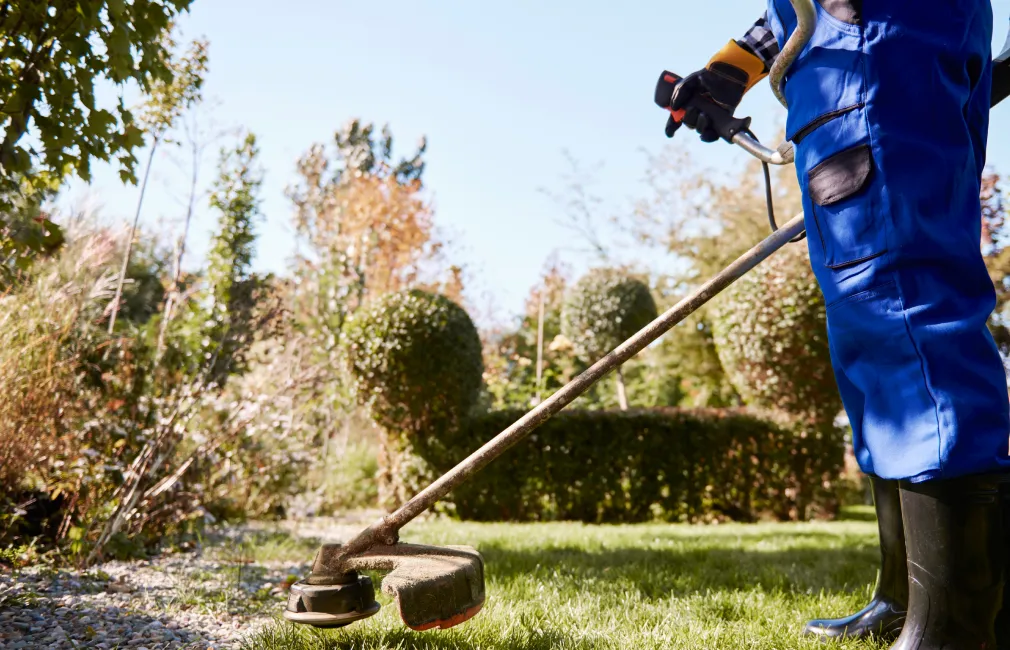
All hedge maintenance in Middletown must adhere to municipal safety standards and equipment regulations. Operators are required to use commercial-grade electric or 4-stroke gas trimmers equipped with functional mufflers, and noise levels must not exceed 85 decibels at property lines. Personal protective equipment (PPE) is mandatory and includes:
- Eye protection: ANSI Z87.1 safety glasses
- Hearing protection: Earmuffs or plugs for 85+ dB
- Footwear: Steel-toed, non-slip boots
- Gloves: Cut-resistant for pruning
Maintain a 15-foot clearance from overhead power lines and a 10-foot buffer from public sidewalks during operation. For work near public roads or parks, coordinate with:
Middletown RI Department of Public Works
350 East Main Road, Middletown, RI 02842
Phone: (401) 846-2119
Official Website: Middletown RI Department of Public Works
What Neighborhoods Do We Serve Throughout Middletown, RI?
- Easton's Point: Coastal soils with high sand content and salt exposure require salt-tolerant hedge species and careful irrigation management.
- Indian Avenue District: Large lots with mature landscaping and proximity to wetlands necessitate strict buffer compliance and attention to drainage.
- Forest Avenue Corridor: Urban fill soils and moderate compaction present challenges for root establishment and may require soil amendment.
- Green End: Historic properties and narrow streets demand careful equipment access and adherence to local noise ordinances.
- Paradise Valley: Floodplain location and seasonal high water table require elevated planting beds and species tolerant of wet conditions.
- Boulevard Area: Dense residential development with smaller lots and HOA guidelines influences hedge height and setback requirements.
- Sachuest Area: Proximity to conservation lands and wildlife corridors necessitates use of native, deer-resistant species and compliance with conservation regulations.