
Middletown Brush Removal Services
Choose our expert brush removal services for fast, thorough, and eco-friendly clearing—making your property safer, more attractive, and ready for your next project.
Get a Free QuoteOur Middletown Landscaping & Yard Care Services
When to Schedule Brush Removal in Middletown, Rhode Island – Seasonal Guide
In Middletown, Rhode Island, the best times for brush removal are typically late winter through early spring and again in late fall. These periods align with the region’s climate patterns, allowing homeowners to clear overgrown areas before new growth begins or after the summer’s lush vegetation has died back. The timing is especially important in neighborhoods near Sachuest Point or along Green End Avenue, where coastal winds and salt spray can influence plant growth and debris accumulation.
Local environmental factors such as the last frost date—usually in early April—should be considered to avoid damaging emerging plants. Humidity levels rise in summer, increasing the risk of mold and pests in dense brush, while autumn’s drier conditions make it easier to manage debris. Soil type varies across Middletown, with sandy soils near Easton’s Beach and heavier clay inland, affecting both brush density and removal methods. For more information on local environmental guidelines, visit the Town of Sudbury’s resource page.
Local Factors to Consider for Brush Removal in Middletown
- Tree density and type (e.g., oaks in Paradise Valley vs. pines near Indian Avenue)
- Terrain and slope, especially in areas bordering the Norman Bird Sanctuary
- Seasonal precipitation and drainage patterns
- Municipal restrictions on burning or debris disposal
- Shade coverage and proximity to wetlands or protected habitats
Benefits of Brush Removal in Middletown

Enhanced Curb Appeal
Improved Property Safety
Prevention of Pest Infestations
Increased Usable Outdoor Space
Healthier Landscape Growth
Boosted Property Value
Middletown Brush Removal Types

Manual Brush Clearing
-
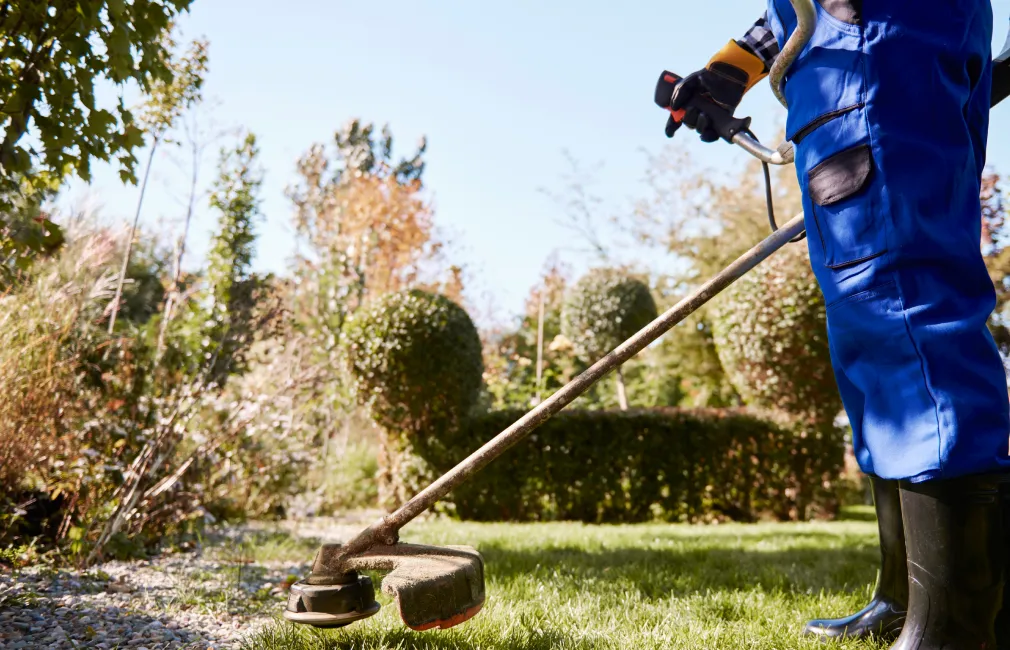
Mechanical Brush Removal
-
Selective Brush Thinning
-
Brush Mowing
-
Chipping and Mulching
-
Controlled Burning
-
Stump and Root Removal
Our Brush Removal Process
Site Evaluation
Safety Preparation
Brush Clearing
Debris Removal
Final Inspection
Why Choose Middletown Landscape Services
-
Middletown Homeowners Trust Us
-
Expert Lawn Maintenance
-
Reliable Seasonal Cleanup
-
Competitive Pricing
-
Professional Team
-
Satisfaction Guarantee
-
Personalized Service
Middletown’s Department of Public Works Brush Collection Schedule and Disposal Requirements
Brush removal in Middletown is coordinated through the Department of Public Works, which oversees weekly curbside collection from April through November. Residents must prepare brush in bundles no longer than 4 feet and no heavier than 40 pounds, using biodegradable twine. Accepted materials include branches under 4 inches in diameter, while plastic bags and oversized limbs are prohibited. Collection occurs every Thursday, and all brush must be placed curbside by 7:00 AM. For larger volumes or off-schedule pickups, residents may utilize the town’s transfer station. Compliance with these guidelines is essential to avoid code violations and ensure efficient municipal operations.
Middletown RI Department of Public Works
350 East Main Road, Middletown, RI 02842
Phone: (401) 846-2119
Official Website: Middletown RI Department of Public Works
Soil and Site Considerations for Brush Removal in Middletown’s Glacial Till Landscapes
Middletown’s predominant soils, including Newport and Bridgehampton series, are characterized by glacial till, moderate acidity (pH 5.5-6.5), and variable drainage. Poorly drained sites, especially near wetlands, require careful planning to prevent rutting and soil compaction during brush removal. Operators should avoid heavy equipment on saturated soils, particularly in spring and after major rain events. Soil testing is recommended before any major site disturbance, with tests available through the University of Rhode Island Cooperative Extension. For best results, brush should be removed to a depth of 2-3 inches to minimize regrowth, and compost incorporation (2-3 inches tilled to 6-inch depth) is advised for soil restoration. Always maintain a 25-foot buffer from wetlands to comply with local and state regulations.
Environmental Compliance: Wetland Buffers and Stormwater Protections in Middletown
Brush removal activities in Middletown must adhere to strict environmental standards to protect local wetlands, streams, and coastal buffers. The town enforces a 25-foot no-disturbance zone from all regulated wetlands, and a 50-foot setback from water bodies such as Maidford River and Sachuest Point. Under the Rhode Island Environmental Rights Act, and the federal Clean Water Act, it is prohibited to deposit brush or debris in storm drains or within buffer zones. Middletown’s MS4 permit, administered by the Rhode Island Department of Environmental Management, requires that all yard waste be kept out of municipal stormwater systems. Violations may result in fines or enforcement actions. For guidance on buffer delineation and compliance, consult the Conservation Commission.
Middletown RI Conservation Commission
350 East Main Road, Middletown, RI 02842
Phone: (401) 849-4027
Official Website: Middletown RI Conservation Commission
Equipment Operation Hours and Safety Standards for Brush Removal in Middletown
Middletown enforces municipal noise ordinances and safety protocols for all brush removal operations. Permitted equipment operation hours are:
- Monday-Friday: 7:00 AM - 7:00 PM
- Saturday: 8:00 AM - 6:00 PM
- Sunday and holidays: Prohibited All operators must use commercial-grade equipment with functioning mufflers, and noise levels must not exceed 85 decibels at property lines. Personal protective equipment (PPE) is mandatory, including:
- Eye protection: ANSI Z87.1 safety glasses
- Hearing protection: Earmuffs or plugs for 85+ dB
- Footwear: Steel-toed boots
- Gloves: Cut-resistant for pruning When working near public roads, advance warning signs must be placed 500 feet from work zones, and a 15-foot clearance from power lines must be maintained. For large-scale projects, coordinate with the Department of Public Works for traffic control requirements.
What Neighborhoods Do We Serve Throughout Middletown, RI?
- Easton's Point: Coastal neighborhood with sandy soils and high water table, requiring careful debris management to prevent runoff into nearby beaches and salt marshes.
- Indian Avenue: Features mature woodlands and larger lots, often with poorly drained glacial till soils and proximity to conservation areas, necessitating strict buffer compliance.
- Green End: Mix of residential and agricultural properties, with moderate slopes and variable drainage, where brush removal must account for field access and seasonal wetness.
- Paradise Valley: Located near Maidford River, this area has floodplain soils and frequent wet conditions, making timing and equipment selection critical for minimizing soil disturbance.
- Forest Avenue District: Dense residential development with compacted urban soils and limited curbside access, requiring bundled brush and adherence to collection schedules.
- Sachuest Point: Adjacent to protected wildlife refuge, with sensitive habitats and strict environmental oversight, including enhanced buffer and disposal requirements.
- Boulevard Area: Older neighborhood with narrow streets and overhead utilities, presenting logistical challenges for equipment access and debris staging.
State and Federal Regulations Impacting Brush Removal in Middletown
Brush removal in Middletown is governed by both state and federal environmental laws. The Rhode Island Environmental Rights Act mandates protection of natural resources, while the Clean Water Act prohibits discharge of yard waste into navigable waters. The town’s MS4 stormwater permit, overseen by the Rhode Island Department of Environmental Management, requires that all brush and debris be managed to prevent stormwater contamination. For technical guidance on compliance, property owners may consult the University of Rhode Island Cooperative Extension for best management practices and soil testing services. Federal oversight is provided by EPA Region 1, which enforces national water quality standards and supports local implementation efforts.